How to Improve Chair Utilization in a Dental Practice
Dental chair utilization is productive operatory hours divided by available hours. Learn the formula, measurement rules, and ways to fill open chairs without overbooking.
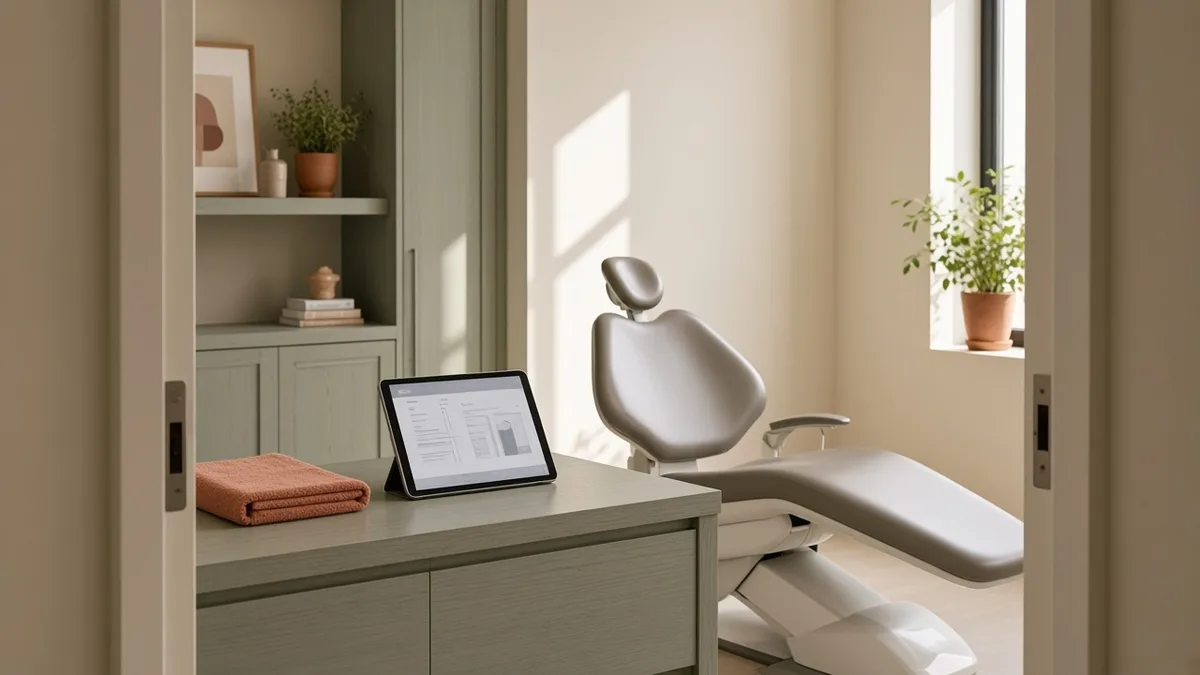
Dental chair utilization is the share of available operatory time that is filled with productive patient care—typically scheduled productive chair-hours divided by available chair-hours in a defined period. It matters because empty chairs still carry rent, staff, and equipment cost while producing no treatment revenue. Practices that measure dental chair utilization accurately can see whether growth problems are really demand problems, scheduling problems, or no-show and cancellation problems. This guide defines the metric, shows illustrative math, explains how to measure it cleanly, outlines practical ways to raise utilization without chronic overbooking, and points to tools that turn open chair time into a decision number.
What Dental Chair Utilization Means

Dental chair utilization measures how much of a practice’s available operatory capacity is actually used for patient care. The core formula for a chosen period (usually a week or a month) is:
Dental chair utilization = Scheduled productive chair-hours ÷ Available chair-hours
Define both terms the same way every month:
- Available chair-hours = open operatory hours the practice intended to staff and schedule (exclude lunch blocks, planned closures, and chairs that were intentionally offline for maintenance or vacation).
- Scheduled productive chair-hours = time on the book for clinical appointments that count as production (doctor or hygiene care). Practices may track completed hours separately if no-shows are common.
A chair can look “busy” on the wallboard and still underperform if blocks are soft, if assistants are waiting on late patients, or if high-value doctor time is filled with low-priority tasks. Utilization is a capacity metric—not a quality metric and not a guarantee of profitability. Pair it with production per hour or case mix when judging schedule health.
Illustrative calculation (example only)
The numbers below are an example, not an industry benchmark. Markets, specialties, and fee schedules differ.
Assume one doctor operatory:
- Available hours in a month: 140
- Productive hours scheduled (and kept): 98
- Utilization = 98 ÷ 140 ≈ 70%
If average production for that chair is $400 per productive hour (again, an example), the 42 unused hours represent about $16,800 of potential production left on the table that month—before considering whether demand, confirmations, or overbooking risk is the real constraint. Use your own fees and available hours; do not treat this example as a target.
Run your own open-chair scenario in the chair utilization calculator.
Why Open Chair Time Is Expensive
Open chair time is expensive because fixed practice costs do not pause when the schedule thins. Rent, equipment, software, and much of staffing still run while an operatory sits empty. Marketing can look “successful” on clicks or leads while dental chair utilization stays low if callers never book, patients cancel late, or the schedule protects large unused buffers.
Low utilization usually signals one of three issues:
- Demand is not reaching the schedule — inquiries never become appointments (including unrecovered inbound demand).
- Demand is soft — the book fills, then empties through no-shows and same-day cancellations.
- Capacity is misallocated — doctor chairs hold hygiene-length blocks, or high-demand services have no protected slots.
Raising utilization is not the same as packing every minute. Chronic overbooking, insufficient buffer for emergencies, and exhausted teams destroy case acceptance and retention. The goal is a denser, more reliable schedule—not a chaotic one.
When empty chairs coexist with unanswered phones, treat the demand side separately with missed-call revenue math. When the book is thin because inactive patients never return, use patient reactivation to fill capacity with patients you already know.
How to Measure Utilization Accurately
Accurate dental chair utilization starts with clean definitions. Without them, month-to-month comparisons are noise.
Define available hours honestly
Count only hours the practice planned to see patients. If a hygienist is out and the chair is closed, remove those hours from the denominator rather than counting them as “open and empty.” Including intentional closures makes utilization look worse than the schedule really was.
Separate hygiene and doctor chairs
Hygiene and restorative capacity behave differently. A practice can have strong hygiene utilization and weak doctor utilization (or the reverse). Report them separately so owners do not “fix” one problem by averaging it away.
Track scheduled vs completed hours
If no-shows are material, track:
- Booked utilization (what was on the schedule at start of day)
- Completed utilization (what actually occurred)
The gap between those two numbers is a confirmation and fill-process problem—not a marketing problem.
Review weekly, not only monthly
Monthly averages hide Friday afternoons, school-holiday weeks, and provider PTO. A short weekly review of open blocks, late cancels, and same-day fill success keeps the metric operational.
Avoid vanity occupancy
A schedule full of unconfirmed appointments is not high utilization. Count only appointments the practice believes will happen—or track confirmation status so soft fills do not inflate the metric.
Practical Ways to Raise Dental Chair Utilization
Once measurement is clean, improve utilization with process first, then automation.
Tighten confirmations and same-day fill
Confirm appointments early enough to reopen slots. Maintain a short-notice list of patients who can come in for hygiene, simple restorative, or emergency evaluations. Same-day fill is one of the fastest levers for completed utilization without buying more demand.
Protect high-value doctor time
Do not let doctor operatories become overflow for tasks that belong elsewhere. Block implant, specialty, and new-patient exam capacity intentionally. Empty doctor chairs with a full hygiene schedule still leave production on the table.
Align booking rules with capacity
If the next new-patient slot is weeks out while existing-patient recall is loose, rebalance templates. Capacity-aware booking reduces both chronic holes and chronic bottlenecks. Acquisition cost metrics such as cost per booked dental patient only help when the schedule can absorb booked patients promptly.
Recover demand that never reaches the book
Some open chairs are really unanswered demand. Improve answer rates, after-hours capture, and callback SLAs before increasing ad spend into a schedule that cannot answer the phone. Operational automation—including AI solutions for dental practices—can support confirmations, reminders, and inbound capture when the process rules are already clear.
Reactivate before you overbuy new demand
Filling open chair time with eligible existing patients is often cheaper than acquiring strangers. Reactivation and overdue recall campaigns should sit beside new-patient marketing whenever utilization is soft.
Fix process before you automate everything
Automating a messy confirmation workflow creates faster chaos. Document who confirms, when slots reopen, who owns the short-notice list, and how same-day emergencies are protected—then automate reminders, waitlists, and inbound routing.
When to Automate vs Fix Process First
Automate when rules are stable: confirmation timing, reminder cadence, short-notice list criteria, and escalation for unanswered calls. Fix process first when ownership is unclear, when the schedule template fights itself, or when the front desk cannot explain why holes appear.
Technology should make a good schedule denser and more reliable. It should not hide a broken template, chronic understaffing, or a demand problem mislabeled as “marketing.”
Frequently Asked Questions
What is dental chair utilization?
Dental chair utilization is available operatory time that is filled with productive patient care, usually expressed as productive chair-hours divided by available chair-hours. It shows how much of the practice’s staffed capacity turns into scheduled clinical work rather than empty blocks.
What is a good dental chair utilization rate?
There is no universal good rate. Targets depend on specialty mix, emergency buffer policy, and how aggressively the practice protects doctor time. Judge your rate against your own production goals and patient experience—not against an unverified industry average.
How is chair utilization different from production?
Utilization measures time filled. Production measures revenue (or procedures) delivered. A schedule can be highly utilized with lower-value appointments, or less utilized with high-value case work. Track both.
Can raising utilization hurt patients or staff?
Yes, if it becomes chronic overbooking, insufficient emergency capacity, or unsustainable pace. Improve confirmation, fill, and template design before packing every minute. Healthy utilization is dense and predictable—not frantic.
Should marketing spend increase when utilization is low?
Only after you know why chairs are empty. If demand never reaches the book, fix call handling and booking. If patients cancel, fix confirmations and same-day fill. If the market is thin, then acquisition spend may be warranted—measured by booked patients and capacity to serve them.
Fill Open Chairs With Measurement, Then Process
Dental chair utilization turns empty operatory time from a vague frustration into a controllable metric. Define available and productive hours clearly, separate hygiene from doctor capacity, and close the gap between booked and completed schedules. Raise utilization with confirmations, same-day fill, capacity-aware templates, demand recovery, and reactivation—then automate the steps that already work.
Top Dentistry helps dental practices connect patient acquisition, conversion paths, and operational follow-through so open chair time is diagnosed accurately—not guessed.
Turn insights into booked chairs
Practical dental marketing only works when it fills the schedule — get a free practice audit and a clear next step.
No pitch deck. A practical read on where patients drop off.