How Pediatric Dental Practices Attract New Families
Pediatric dentist marketing attracts parents ready to book a child’s first visit and measures those booked families instead of website sessions.

Pediatric dentist marketing is the work of attracting parents who are ready to book a child’s first visit, then measuring those booked families instead of website sessions. It matters because the person searching is usually a parent, and the visit they want is a new-patient exam for a child. A practice that ranks for a generic dentist search can still miss families who searched for a pediatric dentist or a first dental visit. This guide explains how pediatric search intent differs from general dentistry, which profile and page signals parents use, how to make the first visit easy to book, and how to read a labeled example of new-family cost.
Pediatric Dentist Marketing Books a Parent, Not a Hygiene Patient
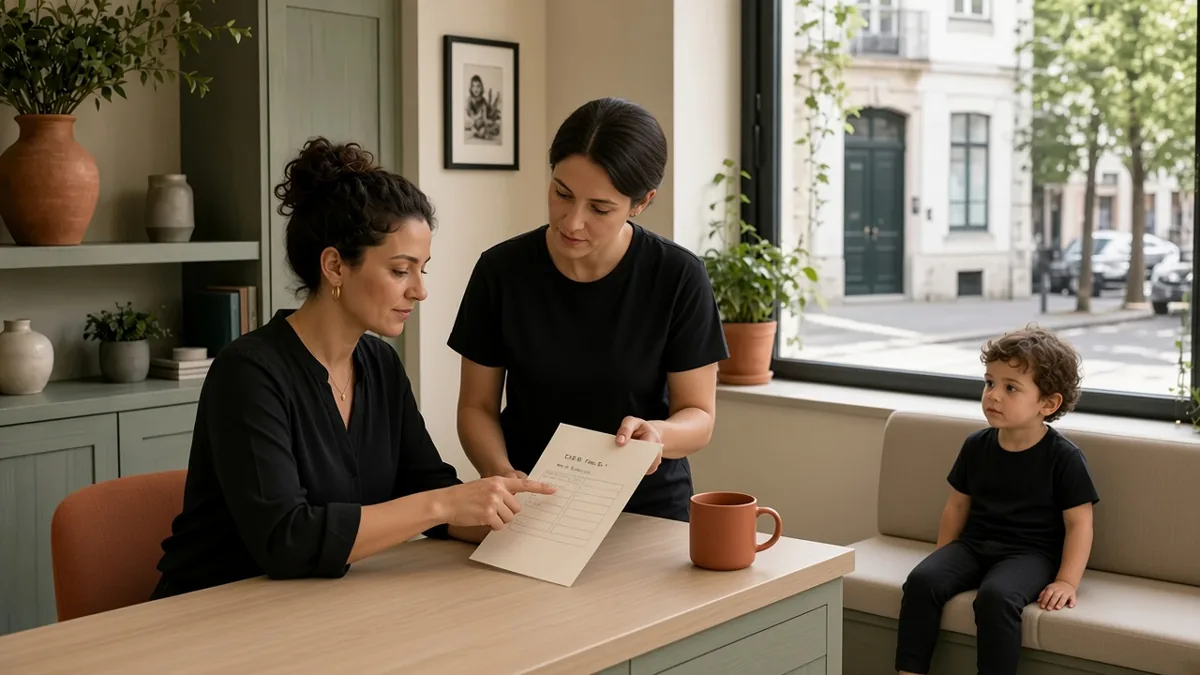
Pediatric dentist marketing starts with a different buyer than a general new-patient campaign. The parent compares offices, calls, and puts the appointment on the book. The child is the patient. A campaign written in adult language—whitening, same-day crowns, or a generic exam special—misses the question that parent typed.
Useful pediatric dental new patients include:
- A first visit after a baby’s first tooth, or around the first birthday
- A child new to the area who needs a dental home
- A sibling of a child already in the practice
- A parent moving a child from a general office into a pediatric setting
The American Dental Association’s MouthHealthy page on a baby’s first dental visit says that visit should take place after the first tooth appears, and no later than the first birthday. Parents search that timing. A first-visit page should say who the visit is for, how long to plan, what to bring, and how to book, without promising a clinical outcome.
The decision-maker is the parent
Parents shortlist from Google Maps, reviews, photos of the office, and whether a real person answers. How patients choose a dentist online covers that comparison. For pediatric dentist marketing, the proof is specific: a pediatric dentist, or a general practice that truly sees children, hours that work after school, and a booking path a parent can use before filling out a long form.
One parent often decides with a second adult. Offer two or three real openings, including times outside a single midday slot, and a phone number that matches the Google Business Profile.
Track a new family, not a click
Count a new family when a parent books a first visit for at least one child who is new to the practice. A click, a form fill, and a call that never reaches the schedule are earlier steps. If a second child in the same household books during that outreach, record the sibling visit beside the first child. Keep pediatric first visits out of a blended total that also includes adult hygiene. The schedules, the search terms, and the follow-up are different.
Match the Profile and Pages to Family Searches
Parents search pediatric dentist near me, kids dentist, children’s dentist, and first dental visit, often plus a city name. Pediatric dentist near me marketing stalls when the Google Business Profile still reads like a general family office and children appear once in a description.
Set the profile to categories and services the practice actually offers. Photos should show the reception, the operatories families will see, and the team. The call button and the booking link need to work on a phone. Google Maps SEO for dentists covers how the map pack is earned. Google Business Profile for dentists is where to confirm the name, address, phone, and hours before ads or pages send parents there.
On the website, give first-visit and pediatric care their own pages when the practice truly provides that care. Each page should name the visit, who it is for, what the parent should bring, and one way to book. Keep the public listing aligned with the pediatric dentistry directory profile so the name, address, and phone parents compare stay consistent.
Make the First Visit Easy to Book
A parent who found the right office still drops off when booking is hard. The path from the map listing or the first-visit page should reach a person or a scheduler in one step.
A workable first-visit path:
- The page or ad states that this is a first visit for a child and names the age range the practice sees.
- The primary action is call or book, with the same phone number as the Google Business Profile.
- Whoever answers can offer two or three real openings, including after-school time when the template has it.
- If a sibling also needs a visit, the same call can place that child on the book or set a dated follow-up.
- A confirmation names the date, the location, and what to bring, such as an insurance card and a list of questions. It does not promise a treatment result.
Why dental leads don’t book describes the drop between an inquiry and a kept appointment. For pediatric dental new patients, the usual breaks are a phone that goes to voicemail during school pickup, a form that asks for a long history before anyone offers a time, and a confirmation that never arrives. Fix those before buying more clicks. If the practice also sees adults, keep this path separate from adult hygiene and from consults such as implants.
Measure New Families With a Labeled Example
Pediatric dentist marketing improves when the practice reviews a short set of numbers every week.
Track:
- Parent inquiries about a first visit or a new child
- First visits booked
- First visits kept
- Sibling visits booked from the same household
- Spend on the campaigns aimed at those searches
The numbers below are an example, not an industry benchmark.
Assume one month at one location:
- Parent inquiries: 40
- First visits booked: 16
- First visits kept: 12
- Example fee for a kept first visit: $220
- Example ad spend aimed at first-visit searches: $1,600
Illustrative production on the kept visits is 12 × $220 = $2,640. Example cost per kept first visit is $1,600 ÷ 12 ≈ $133. In the same example, 4 of those families also book a sibling at the same $220 fee, which adds 4 × $220 = $880 of illustrative visits. Use the practice’s own fees, inquiry counts, and spend. The method matches how to calculate cost per booked dental patient: define a kept booking first, then divide spend by that count.
A form fill is an inquiry. It becomes a new family only after a first visit is on the book under the practice’s own rule.
Frequently Asked Questions
What does pediatric dentist marketing include?
Pediatric dentist marketing is the set of profile, page, and booking steps that help a parent find the practice and schedule a child’s first visit. It includes Google Business Profile categories and photos, pages for pediatric care and the first visit, a phone or scheduler that can offer real times, and a count of new families booked. A generic new-patient special with the word pediatric added to the headline is a different campaign.
How is pediatric dentist marketing different from general new-patient marketing?
General new-patient marketing often fills adult exams and hygiene. Pediatric dentist marketing fills first visits for children, judged by parents who compare offices before they book. The search terms, the photos, the hours, and the follow-up differ. A practice that offers both should report the two schedules separately so pediatric demand is visible on its own.
Should a pediatric practice use Google Ads for first-visit searches?
Google Ads can carry first-visit and pediatric dentist near me searches while organic rankings are still thin, or when a location needs families this month. Send those clicks to a first-visit page with a matching headline and the same phone number as the listing. Judge the ads by booked and kept first visits, using the practice’s own cost per kept visit.
What should a practice count as a new family?
Count a new family when a parent books a first visit for at least one child who is new to the practice, and the visit is kept or still on the book under the practice’s own rule. Record sibling visits from that household beside the first child. A call, a form, or a map view is an earlier step, and it is not yet a new family.
Book the First Visit Parents Are Already Searching For
Pediatric dentist marketing works when the practice shows up for family searches, makes the first visit easy to book, and counts new families instead of sessions. Match the Google Business Profile, the first-visit page, and the phone number. Then read booked and kept first visits before adding spend.
Top Dentistry’s Google Ads management can put pediatric and first-visit searches on a dedicated path so spend follows booked families.
Turn insights into booked chairs
Practical dental marketing only works when it fills the schedule — get a free practice audit and a clear next step.
No pitch deck. A practical read on where patients drop off.